





 Although your website’s chances of a negative SEO target are low, the consequences are enormous. You might wonder how easily a competitor can ruin your rankings or how you may protect your website? However, before answering them, you need to understand what negative SEO is.
It stands for a range of activities that aims to lower a competitor’s rank in search results. It is primarily an off-page strategy that might involve building unnatural links to a website or reposting and scrapping its content. Some cases also include hacking or modifying content on a website. But any sudden drop in ranking doesn’t always mean that it’s the case of Negative SEO. Hence, before concluding that a competitor has hurt your rankings, it’s important to factor out the common reasons for the drop. Below we have compiled a list of all such possibilities.
Negative Off-Page SEO
The strategy primarily targets a website without any internal interferences. Some common types of negative off-page SEO are discussed below.
Link farms
A few spammy links don’t hurt your site’s rankings. But negative SEO attacks mostly involved building links from multiple interconnected websites or link farms. Most links use the exact anchor text and are often unrelated to the website under attack. Some might include a niche keyword to make it appear as if the owner of the website is trying to manipulate.
You cannot prevent such attacks, but it’s easy to reverse the damage they might do if you regularly spot them. You have to constantly monitor the link profile growth by using tools like SpyGlass, which generates progress graphs with a list of links in your profile and referring domains. If you notice an unusual spike in any of the two, you should investigate immediately.
Scraping
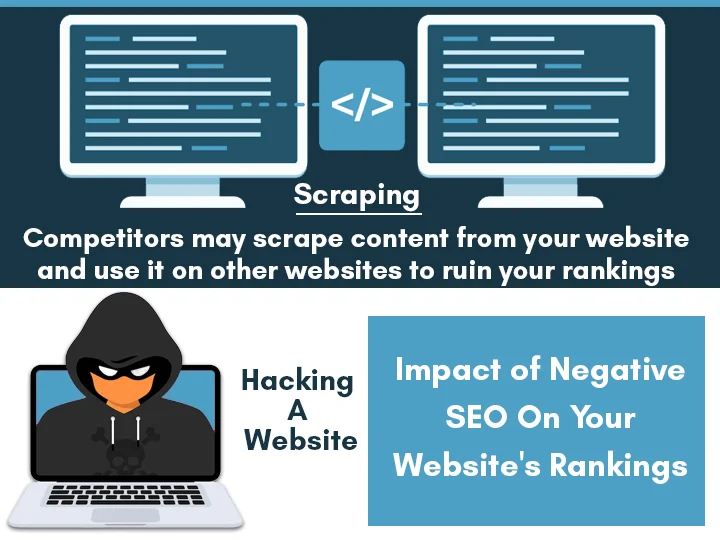
Competitors may scrape content from your website and use it on other websites to ruin your rankings. If Google finds duplicated content across websites, it would only pick a single version amongst them all. Google is smart enough to identify the original piece unless it considers any stolen performance first. Scrapers are smart and often copy and post new content right after publishing it on your website.
Using Copyscape can help in determining all instances of content duplication. In case you find scraped copies, it is advised to contact the webmaster and ask them to remove the content. If this doesn’t help, you should report it by using Google’s copyright infringement Report option.
Forceful crawling
Another way where competitors try to crash a website by forcefully crawling it and leading to a heavy server load. If Googlebot fails to access your website on several attempts in a row, your content might get de-ranked. To be safe, you should observe if your website has become slow or shows unavailable. Contact the hosting company and ask them to investigate and help you solve the issue.
Negative on-page SEO
Implementing negative on-page SEO attacks is very difficult as it involves hacking and changing your website’s content, codes, or settings. Hackers may modify your content, redirect your pages to suspicious links or malicious websites, etc. Staying safe against such situations requires conducting regular audits using tools like WebSite Auditor.
Getting Your Website De-Indexed
Minor changes to the robots.txt file can drastically impact the SEO strategy that you have been implementing. For instance, a simple disallow rule is enough for Google to ignore a website completely.
To stay protected, you need to check your rankings regularly. It helps in knowing if your website got de-indexed. Rank Tracker is one such tool that allows you to perform scheduled automatic checks daily or weekly. Any sudden drops in your rankings are shown separately in Dropped note in the difference column.
Hacking A Website
If a website is hacked and the hacker doesn’t have any negative SEO in mind, such attacks can drastically hurt the SEO. Google intends to protect its users, and if they suspect a website has been hacked, they might de-rank it.
Besides the strategies mentioned above, beefing up the security of your website should always be on your list of priorities. If you think it’s hard for you to deal with Negative SEO, you should reach out to experts for assistance in protecting your website and remediating negative SEO. Local SEO Jacksonville company in Jacksonville, FL is an expert in such strategies and has been assisting clients in staying protected from the effects of negative SEO.
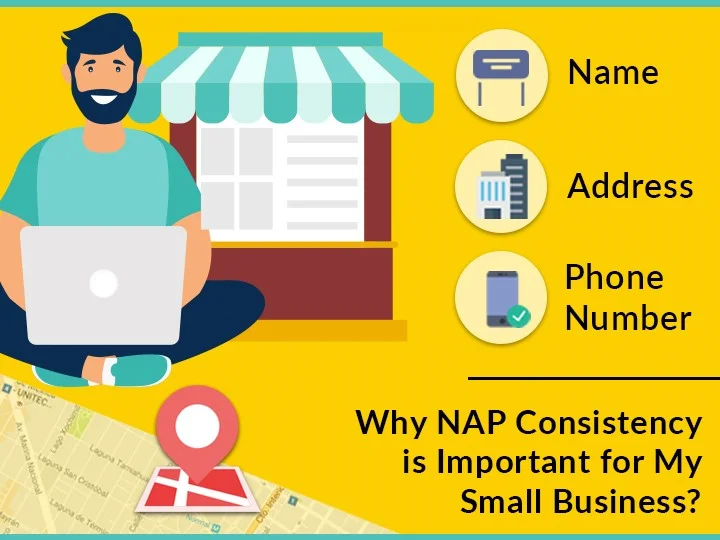 Accurate location-based Name, Address, and Phone Number of any business is defined as
  Improving your ranking in search results requires publishing rich local content. You might have spent hours searching for a particular recipe or tutorial that’s worth reading. For doing so, you might have scrolled through Instagram posts or read blogs of local bloggers. We mostly prefer using Google to do our searches and look for the best results for some searches.
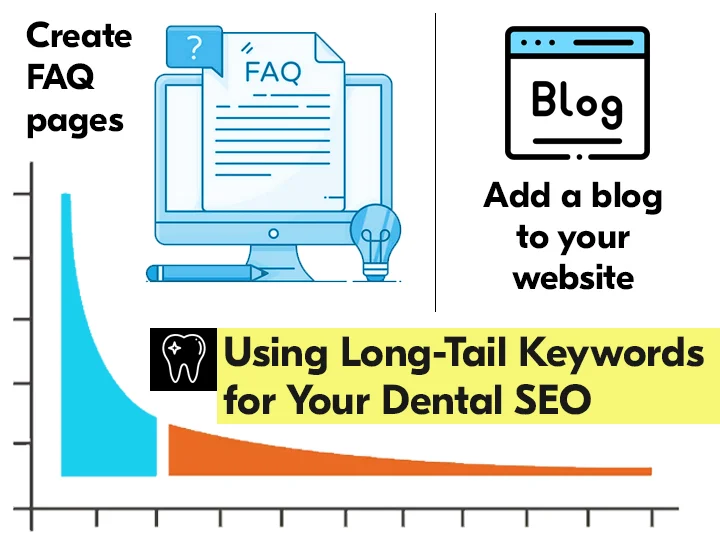 Many people that are experts in dental SEO will tell you about their interest in the keywords. You need to create and maintain a relationship with these keywords. The log-tail keywords can be targeted and prioritized to become useful drivers of traffic for both
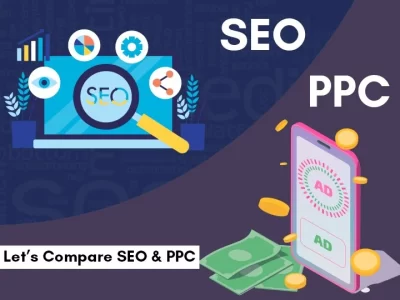 You will find that there are several acronyms involved in the field of internet marketing and it can be tough to keep up. However, there are two such acronyms all digital marketers have to be aware of and they are SEO & PPC. When you are looking to improve your focus and boost the visibility of your brand, you can take a closer look at SEO & PPC for deciding the approach that will be more suitable to your
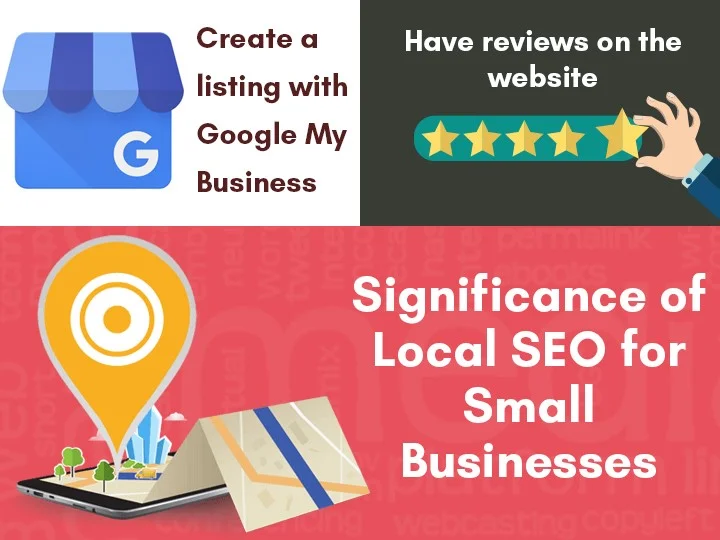
  If you are looking for a kind of advertising that will not put a dent in your budget and yet produce great results, the answer is
 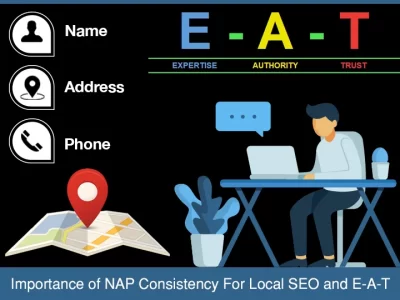 Brand consistency is an important thing when it comes to marketing. Your logo, slogan, and colors help your customers to recognize and trust your brand. For online businesses, focusing on NAP consistency is an important element for both E-A-T and Local SEO.
  An
An